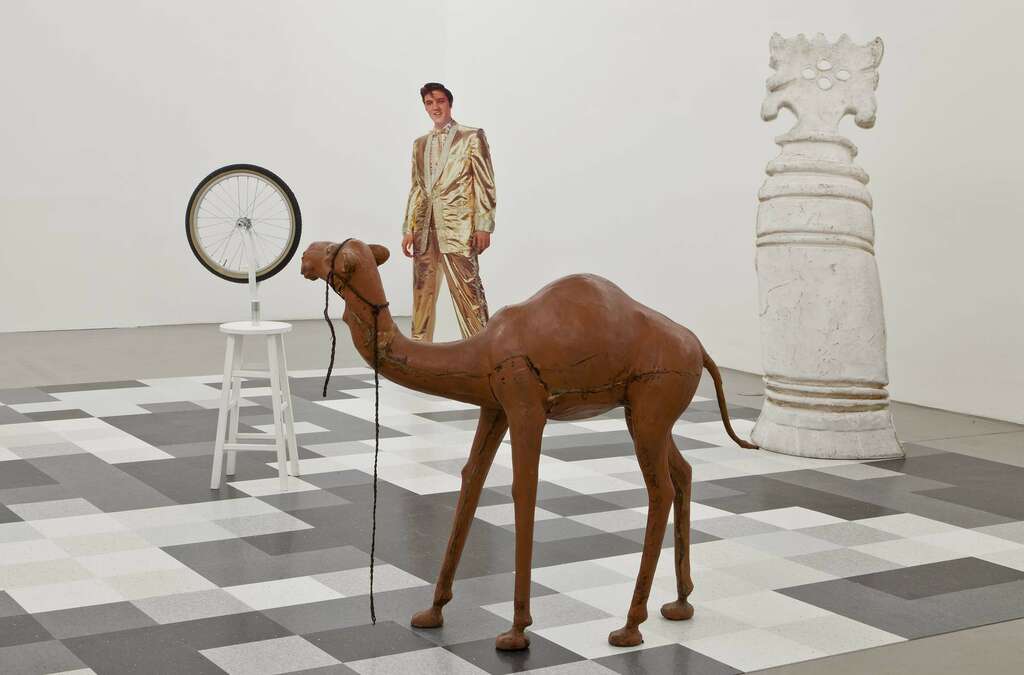
Lutz Bacher, Chess, 2012, Installation view, Portikus, Frankfurt am Main. Courtesy The Estate of Lutz Bacher and Galerie Buchholz. Photo: Helena Schlichting.

Marie Zolamian: Confabulations
21.02.2026 → 17.05.2026
Marie Zolamian’s work invokes constellations where interior geographies, fabulated presences and microhistories intertwine to form visual worlds operating between observation and imagination. Through painting, moving image, sound, drawing and site-specific work, Confabulations considers how memory is continuously reactivated and transformed, opening new routes towards shared imaginaries.
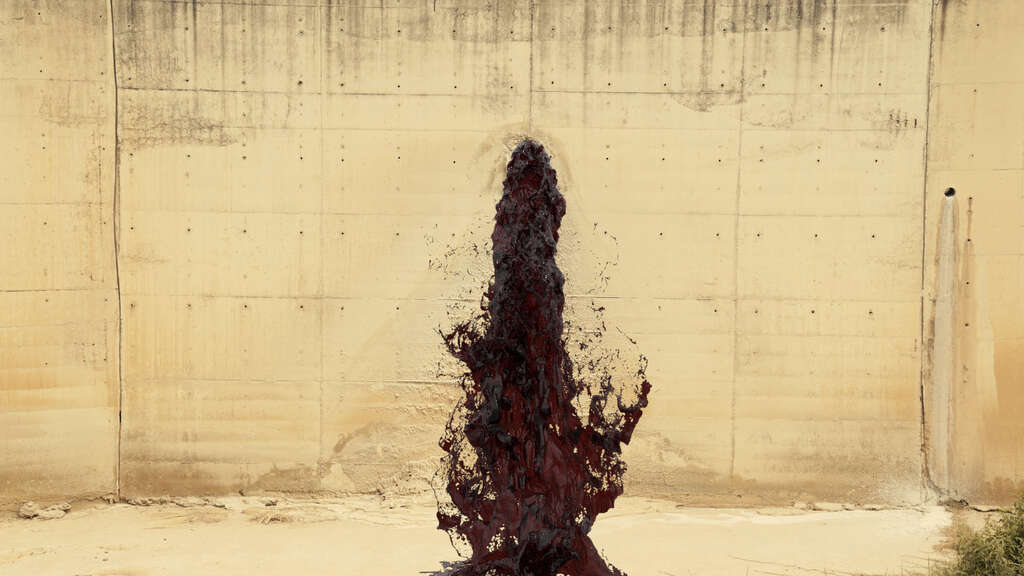
Panos Aprahamian: More Spilled Blood Than Drinkable Water
05.03.2026 → 29.03.2026
Set in Beirut’s former quarantine district of Karantina, this short film moves between documentary realism and speculative fiction. A disembodied voice leads viewers along the river into an underworld of chemical traces, spectral echoes, and unseen presences.
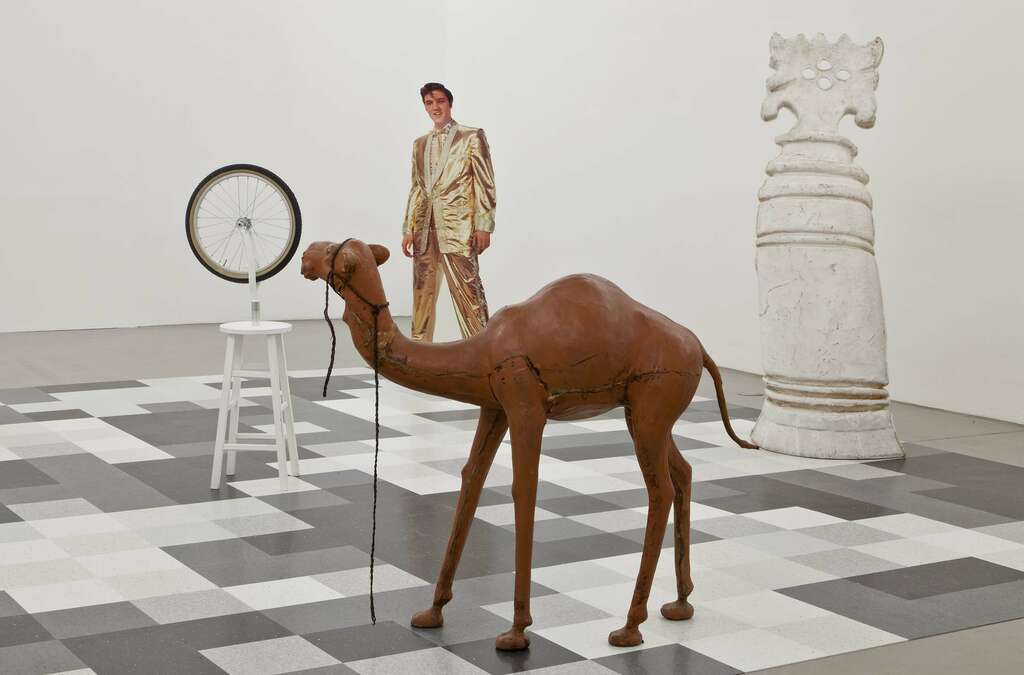
Lutz Bacher: Burning the Days
28.03.2026 → 09.08.2026
Burning the Days offers an expansive view of conceptual artist Lutz Bacher’s provocative, genre-defying oeuvre that exists across a wide range of found materials. Moving between affect and sentiment, humor, and pop-cultural touchstones, the exhibition turns to unflinching examinations of sexuality, violence, political paranoia, and cosmic metaphysics.
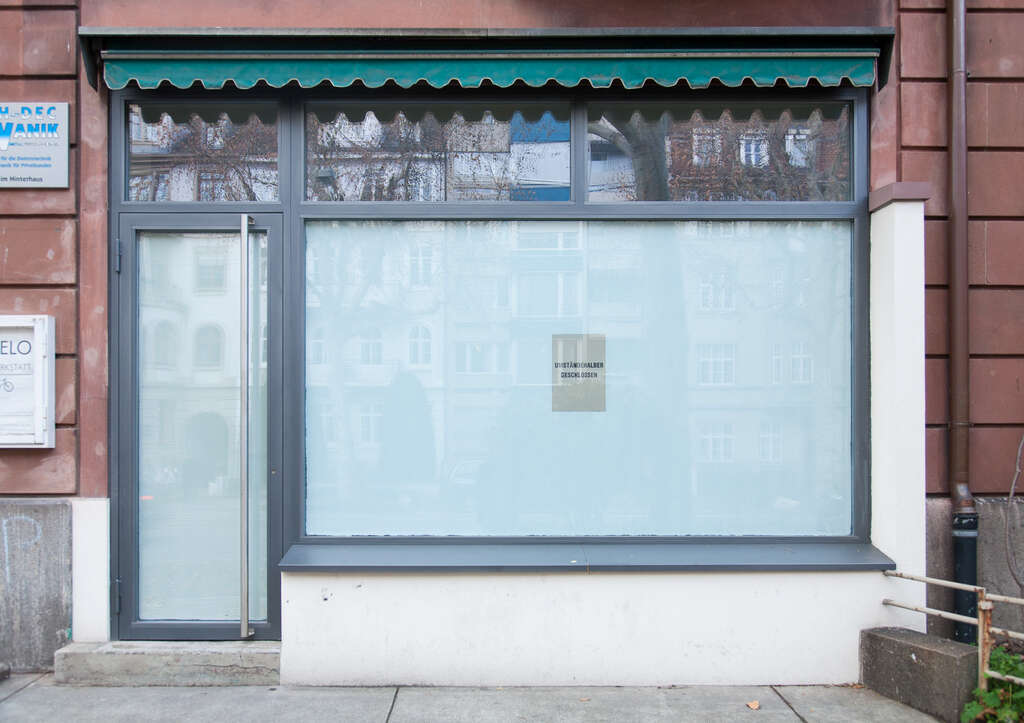
Group Show: Call Me Gravity
11.06.2026 → 20.09.2026
With: Georgia Sagri, Niloufar Emamifar, and Annaïk Lou Pitteloud, ...
This group exhibition brings together artists who delve into the affects and blind spots of the debt economy. Between what is measured and what slips beyond calculation, the works probe accountability and how debt quietly shapes our sense of the future.

Ali Cherri: Pray, Lips of Clay
05.09.2026 → 03.01.2027
For the first time, several of Ali Cherri’s major bodies of work are gathered, including his upcoming film The Sentinel (2026). Alongside, a series of sculptures, watercolour drawings and installations act as a sustained inquiry into how institutions of power — the nation-state, the military and even the museum — shape the ways history is constructed and remembered.


